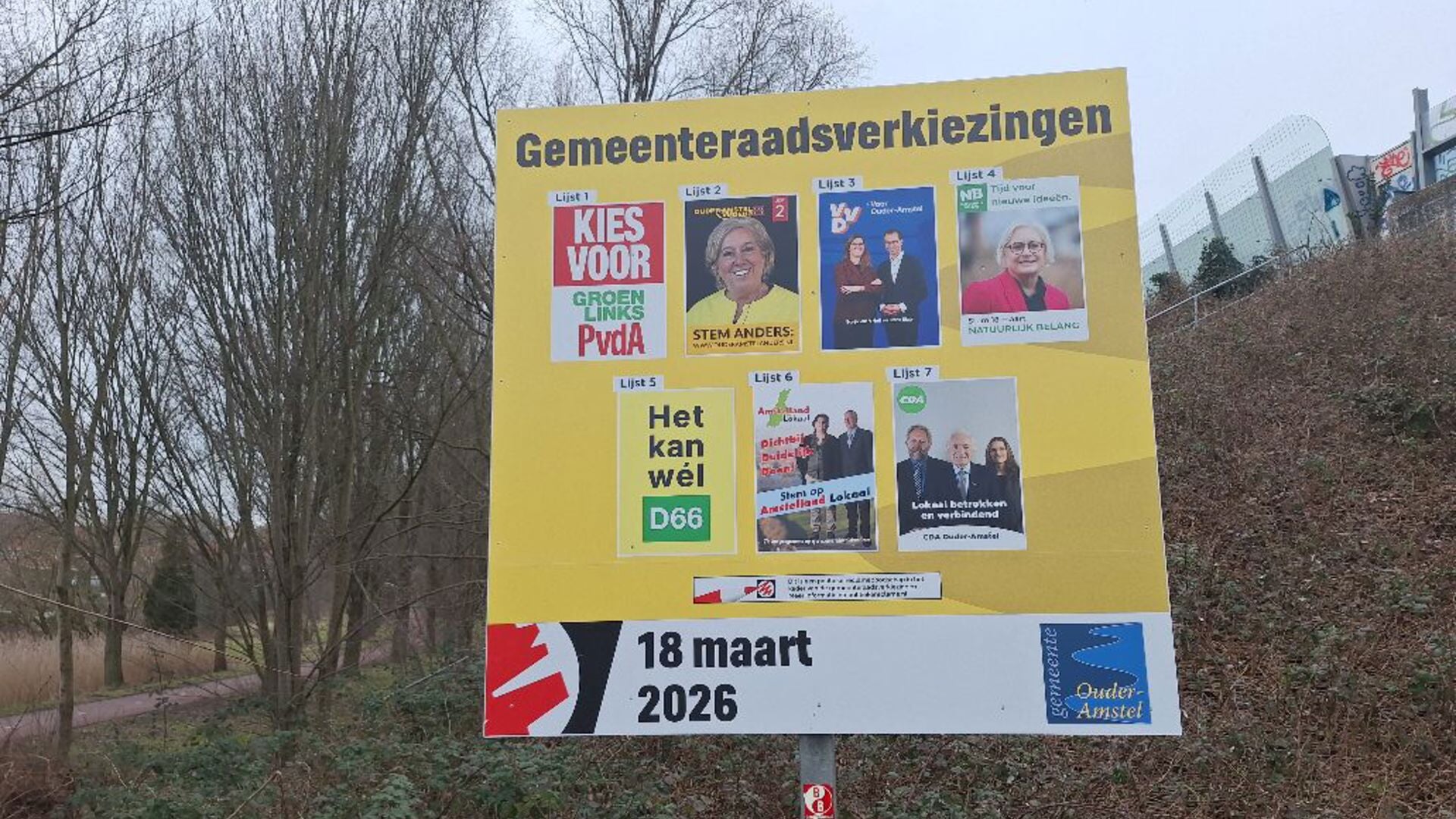
Ouder-Amstel's Pulse on Europe: GroenLinks/PvdA, VVD, and PVV Lead the Charge in European Elections
The recent European Elections, held on June 6, 2024, provided a crucial snapshot of political sentiment across the Netherlands, and the municipality of Ouder-Amstel was no exception. With a significant voter turnout, residents of this vibrant community cast their ballots, revealing a clear preference for progressive and liberal-conservative parties, alongside a notable presence for populist voices. The results underscore the diverse political landscape that defines Ouder-Amstel, offering valuable insights into the priorities and concerns of its citizens regarding European policy.
For those closely following the pulse of local politics and European affairs, understanding the outcomes of the Ouder Amstel Verkiezingen is key. The data, meticulously compiled and announced, highlights not just which parties garnered the most votes, but also sheds light on broader trends that could influence future local and national political discussions. From the bustling streets of Duivendrecht to the serene landscapes of Ouderkerk aan de Amstel, every vote contributed to shaping the European Parliament.
Decoding Ouder-Amstel's European Election Landscape
The participation rate in Ouder-Amstel for the European Elections stood at an impressive 58% of eligible voters. This level of engagement speaks volumes about the community's commitment to democratic processes and its recognition of the European Union's impact on daily life. This robust turnout rate demonstrates that residents are keen to have their voices heard on critical issues ranging from climate change and economic stability to international cooperation and social welfare. For a more detailed look at this, you can refer to our article: European Elections Ouder-Amstel: 58% Turnout, Key Results Unveiled.
At the forefront of the electoral race, the combined ticket of GroenLinks / Partij van de Arbeid (PvdA) emerged as the undeniable leader, securing a commanding 1,643 votes. This strong performance signals a significant leaning towards progressive policies within Ouder-Amstel, suggesting that environmental protection, social justice, and robust public services resonate deeply with a large segment of the electorate. The alliance's success points to a community that prioritizes a forward-thinking, inclusive approach to European governance.
Following in second place was the VVD, garnering 830 votes. The liberal-conservative party's strong showing indicates a substantial portion of Ouder-Amstel residents value economic freedom, fiscal responsibility, and a pragmatic approach to governance. This result suggests a balance in the local political spectrum, where support for robust economic policies and individual liberties remains a powerful force.
Securing the third position was the PVV (Partij voor de Vrijheid), with 716 votes. The populist party's significant support highlights a notable segment of the population expressing concerns about national sovereignty, immigration, and the influence of European institutions. This outcome reflects broader national trends and indicates that voices advocating for stricter national controls and a more critical stance towards the EU are well-represented in Ouder-Amstel. The distinct preferences shown in the Ouder-Amstel European Election 2024: GroenLinks/PvdA Leads further illustrates this dynamic.
A Closer Look at the Local Political Tapestry: Beyond the Top Three
While GroenLinks/PvdA, VVD, and PVV led the pack, the detailed results of the Ouder Amstel Verkiezingen reveal a rich tapestry of political opinion within the municipality. The distribution of votes across other parties offers valuable insights into the diverse concerns and aspirations of the local population:
- D66, a pro-European liberal party, secured a substantial 711 votes, nearly matching the PVV. This robust support indicates a significant presence of highly educated, pro-European citizens who champion progressive social policies and international cooperation.
- Volt Nederland also performed strongly with 450 votes, further underscoring Ouder-Amstel's progressive and distinctly pro-European sentiment. Volt's pan-European vision clearly resonates with a segment of the electorate seeking deeper integration and common solutions to continental challenges.
- The CDA – Europese Volkspartij received 373 votes, demonstrating a continued, albeit smaller, base for traditional Christian-democratic values emphasizing community and responsible governance.
- The Partij voor de Dieren (Party for the Animals) garnered 318 votes, highlighting a dedicated segment of voters prioritizing animal welfare and ecological sustainability, often transcending traditional left-right divides.
- BBB (BoerBurgerBeweging), a newer party with a focus on rural interests and farmers, secured 251 votes. While Ouder-Amstel is not predominantly rural, this support suggests an appeal that extends beyond traditional agricultural regions, possibly tapping into broader sentiments about local identity and common sense politics.
- NSC (Nieuw Sociaal Contract), another relatively new player emphasizing good governance and social contract principles, received 180 votes. This indicates an appetite for a more principled and ethical approach to politics among some residents.
- Other parties, including Forum voor Democratie (115 votes), SP (99 votes), SGP (72 votes), ChristenUnie (60 votes), JA21 (51 votes), and 50PLUS (46 votes), all contributed to the intricate mosaic of Ouder-Amstel's political leanings, each representing distinct ideological positions and voter concerns.
This detailed breakdown illustrates that while a progressive agenda found the strongest resonance, Ouder-Amstel is far from monolithic. It encompasses a spectrum of views, from fervent pro-Europeanism to nationalistic concerns, and from environmental activism to economic liberalism.
The Significance of Local Turnout and Engagement
The 58% turnout in Ouder-Amstel for the European Elections is more than just a statistic; it's a testament to the health of local democracy and the engagement of its citizens with wider European issues. A high turnout ensures that the elected representatives truly reflect the will of the people, giving greater legitimacy to policy decisions made at the European level that ultimately affect daily life in Ouder-Amstel.
The "kermis van de gemeentelijke verkiezingen," a metaphorical 'fair' of municipal elections as referenced by local publications, suggests an ongoing, vibrant political life beyond just the national or European polls. This continuous engagement is vital. Local residents have the power to influence policy not just every few years at the ballot box, but also through active participation in local discussions, municipal council meetings, and staying informed via local media like Weekblad Ouder-Amstel.
Practical Tips for Ouder-Amstel Residents to Stay Engaged:
- Visit the Gemeente Ouder-Amstel Website: The official municipal website is a treasure trove of information regarding local governance, policy proposals, and upcoming meetings. It's the primary source for understanding how local decisions are made.
- Follow Local News Outlets: Publications like Weekblad Ouder-Amstel provide critical insights into local events, political developments, and community initiatives. They offer the local perspective often missing from national news.
- Attend Public Meetings: Many municipal council meetings are open to the public, allowing residents to observe discussions and, in some cases, voice their opinions on issues directly affecting them.
- Contact Your Local Representatives: Don't hesitate to reach out to municipal councilors or party representatives with questions, concerns, or ideas. They are there to serve the community.
- Join Local Discussion Groups: Online forums and community groups can be excellent platforms for engaging in constructive dialogue about local issues and understanding diverse viewpoints.
Active participation ensures that Ouder-Amstel's unique character and needs are continually represented and addressed, both locally and within the broader European context.
Conclusion: Ouder-Amstel's Voice in the European Choir
The European Election results for Ouder-Amstel paint a compelling picture of a politically aware and diverse community. The strong lead of GroenLinks/PvdA, coupled with significant support for VVD and PVV, indicates a complex interplay of progressive, liberal-conservative, and populist sentiments. This electoral snapshot is not merely a reflection of past votes but a potential indicator for future political trends and priorities within the municipality.
As Ouder-Amstel continues its journey within the broader European framework, the insights gleaned from these Ouder Amstel Verkiezingen will undoubtedly inform local discourse and decision-making. The robust turnout and the nuanced distribution of votes serve as a reminder that every election, regardless of its scale, is a vital opportunity for citizens to shape their collective future. By staying informed and engaged, residents ensure that Ouder-Amstel's unique voice resonates clearly in the chorus of European nations.